
Help support breakthroughs in personalised schizophrenia research
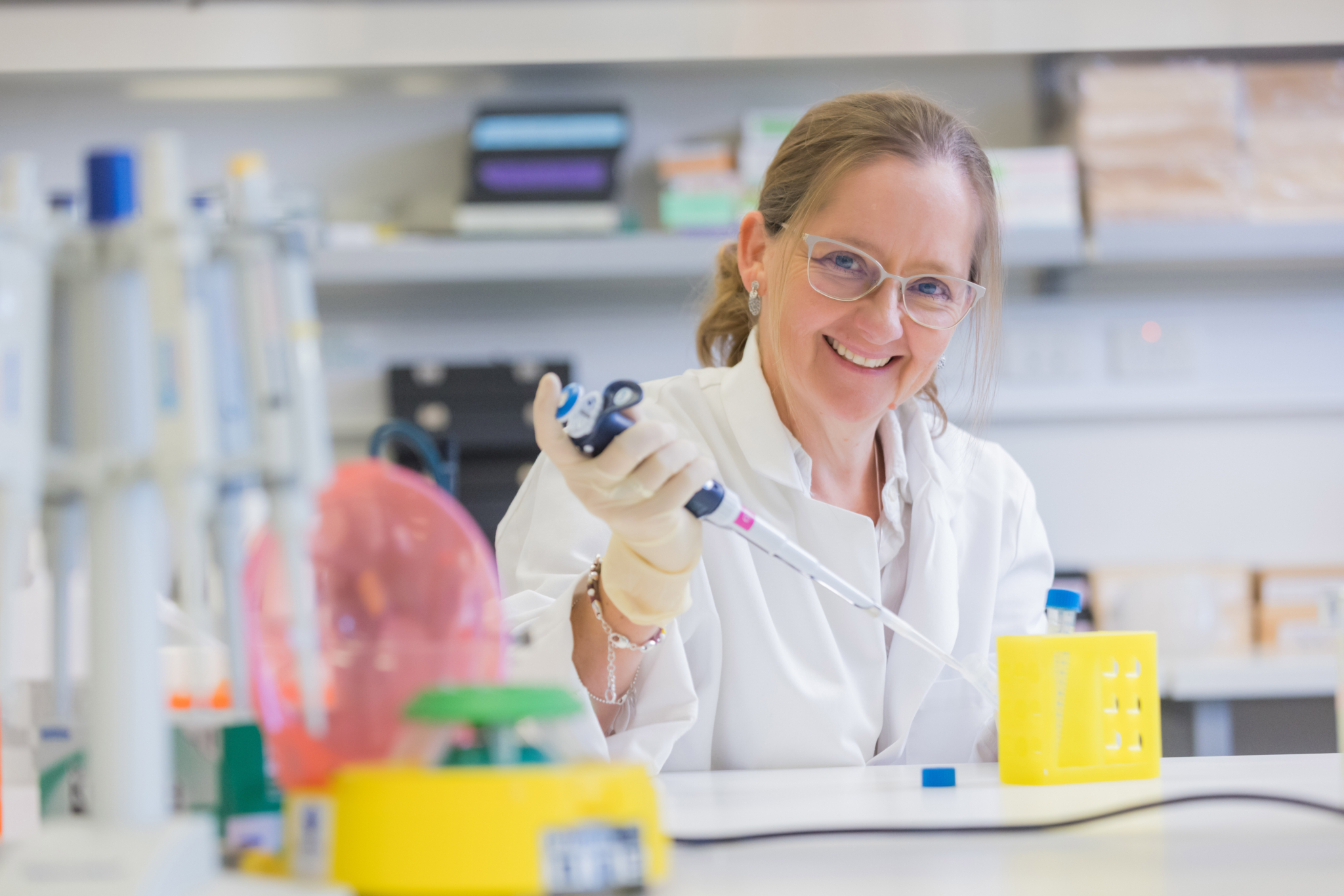
“If we don’t understand how male and female brains differ, we risk treating the wrong people with the wrong drugs. My research is about changing that and improving lives.”
— Dr Tertia Purves-Tyson
Understanding sex differences to unlock better treatments for schizophrenia
Schizophrenia is a severe and disabling mental illness, and for many people, current treatments are limited in their effectiveness. While symptoms often emerge in late adolescence or early adulthood, the illness does not affect everyone in the same way.
Dr Tertia Purves-Tyson, Senior Research Scientist and Head of the Preclinical Neuropsychiatry Laboratory at NeuRA, is investigating the molecular mechanisms in the brain that drive schizophrenia, with a particular focus on sex and age-related differences. Her research aims to identify new targets for treatment and pathways that could lead to more effective therapies with fewer side effects.
Men are more likely to be diagnosed with schizophrenia and often experience a more severe course of illness. In women, the average age of diagnosis is several years later, with a second peak during menopause, when protective hormones such as oestrogen decline. These patterns tell us something important: biology matters.
Dr Purves-Tyson’s work explores how male and female brains differ in schizophrenia, and how they respond differently to hormone-related treatments. Understanding these differences is critical to improving outcomes and avoiding treatments that may help some people while harming others.
By uncovering the biological mechanisms that sit beneath these differences, her work supports a future where treatments are tailored to the individual, not applied as a one-size-fits-all solution.
“If a treatment works for women, we should use it in women. And if it doesn’t work in men, we shouldn’t. But to do that, we need to understand what’s happening in the brain first.”
Better science. Safer treatments. Better quality of life.
Incorporating sex differences into research isn’t just good science; it’s essential for patient safety and equity in healthcare. Too often, treatments are developed using data that doesn’t represent everyone who will ultimately receive them.
Dr Tertia Purves-Tyson’s work is helping NeuRA lead the way in rigorous, responsible, schizophrenia research - research that has the potential to improve treatment effectiveness and quality of life for thousands of people.
Please support our schizophrenia research with a generous gift today. With your support, our scientists can continue their work to develop more precise, personalised treatments and help change the future for people living with schizophrenia.
Please donate now
Your gift today will help our scientists uncover new pathways to better, more effective treatments for people living with schizophrenia.
Donations are used by NeuRA for schizophrenia research. We collect your personal information to issue receipts and keep you updated on our work. We may also use limited types of personal information for data analytics, profiling purposes or for creating anonymised advertising audiences on third party platforms. If you want to change how your personal information is used please call us on 02 9399 1122 or 1300 888 019. Our privacy policy is available here.

Margarete Ainsworth Building
Barker Street
Randwick NSW 2031
(02) 9399 1000


Acknowledgement of Country
Redevelopment of the NeuRA website has been made possible by the generous support of Conexus Financial.